
UK’s Leading Research Supplier
Premium Research Grade Peptides
Third-party lab tested. 99%+ purity guaranteed. Same-day dispatch on all UK orders placed before 2pm
Third-Party Lab Tested
Independent HPLC analysis on every batch
99%+ Purity Guaranteed
Certificates of analysis available for all products
Next-Day UK Delivery
Order before 2pm for same-day dispatch
Secure & Discreet
Encrypted payments.
Plain packaging
Our Products
Research Grade Peptides
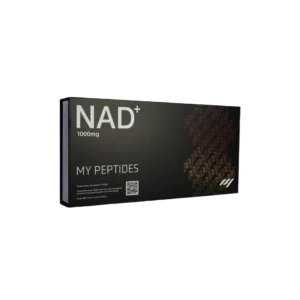
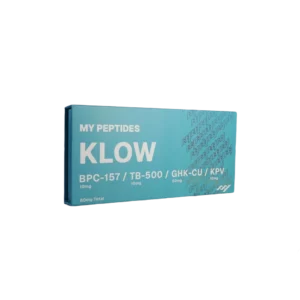
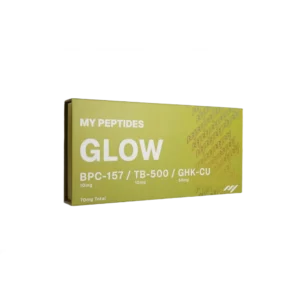
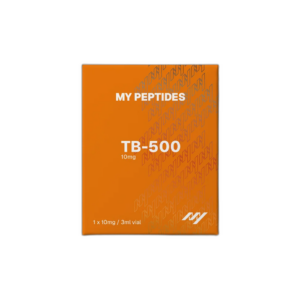
Premium UK research peptides, rigorously tested and ready to go. Explore our range of high-purity single peptides and multi-peptide stacks – including the Wolverine, Glow, and Klow Stacks – all stored and shipped at optimal temperatures for maximum potency. Quality you can trust, every single vial.
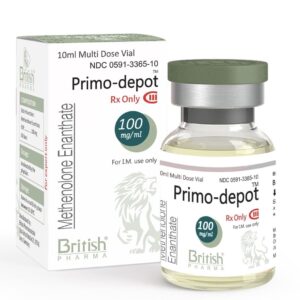
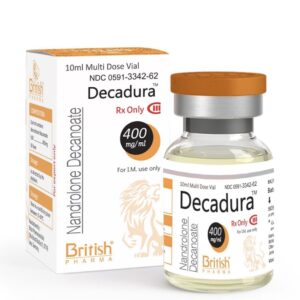
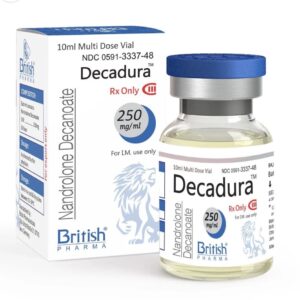
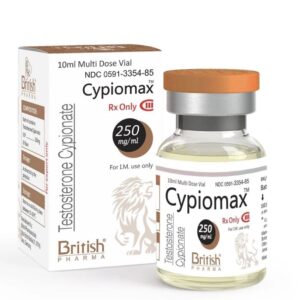
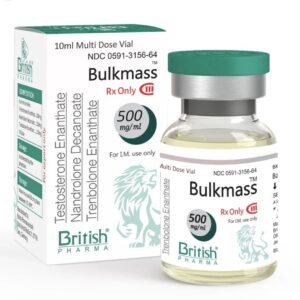
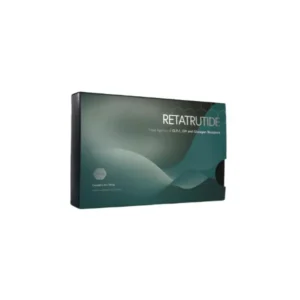
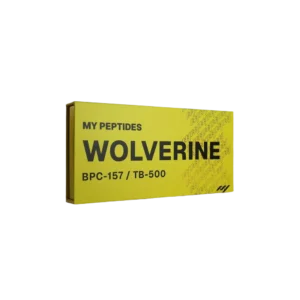
Built on Trust, Backed by Science
What Our Customers Say
Trusted by Researchers Across the UK
From the Lab
Latest Research & Guides
-
What Peptide Is Jennifer Aniston Using? The Truth About Celebrity Peptides
What peptide is Jennifer Aniston using? It’s the question clogging up wellness forums, supplement shop comment sections, and celebrity gossip sites alike. But here’s the thing: if you’re making purchasing decisions based on what a famous face is rumoured to inject or swallow, you’re likely spending real money on very little evidence. The peptide market…
-
Cheapest Research Peptides: How to Find Quality Without Overpaying
Finding the cheapest research peptides without getting burned is genuinely possible, but only if you know what you’re looking at. The verdict? Price matters far less than purity data. A supplier charging 30% less than everyone else means nothing if they can’t show you a third-party certificate of analysis. Shop smart, verify first, and the…
-
What is the Best Research Peptide Company? A Complete UK Buyer’s Guide
What is the best research peptide company? It is one of the most searched questions in the UK research community right now, and honestly, the answer is not as simple as a ranked list. Here is the thing: some suppliers publish beautiful websites with impressive-sounding credentials, yet their actual quality control is non-existent. Others operate…
-
Can BPC-157 Repair Nerve Damage? What the Research Actually Shows
Can BPC-157 repair nerve damage? It’s a question that comes up a lot in research circles, and honestly, the answer is more nuanced than a simple yes or no. The preclinical data is genuinely interesting. But there’s a big gap between “interesting animal study” and “proven human treatment”, and that gap matters enormously. A friend…
-
Where Is the Safest Place to Buy Peptides? A Practical UK Buyer’s Guide
Where is the safest place to buy peptides? It’s a question more people are asking, and rightly so. With a growing number of online sellers, varying wildly in quality and accountability, knowing who to trust genuinely matters. This guide cuts through the noise so you can make an informed, confident decision. It’s easy to feel…
-
Research Peptides Tirzepatide: What Scientists Need to Know
If you’ve been researching metabolic compounds and kept stumbling across tirzepatide, you’re not alone. Research peptides tirzepatide has become one of the most discussed compounds in scientific circles over the past few years, and for good reason. But there’s also a lot of noise out there, some of it reassuring, some of it confusing, and…